Understanding the Importance of Soil Tests for Building Plans
Soil testing is a crucial step in planning any construction project. Understanding the soil’s properties can help determine if it will support your building safely. This process involves analyzing soil samples to assess their composition, strength, and other important factors. Without proper soil testing, you could face problems like uneven settling or structural damage later on. Knowing what’s beneath the surface helps builders avoid these issues and plan effectively.
The Connection Between Soil Properties and Structural Integrity
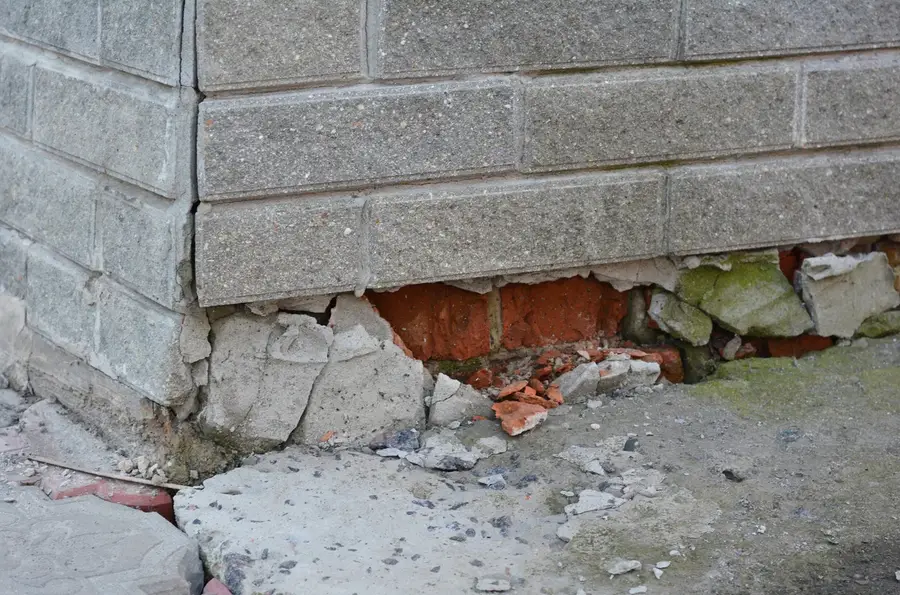
Different types of soil react differently under pressure, influencing how structures above them behave. When considering foundation repair options, knowing the exact soil type is essential. Some soils expand when wet and shrink when dry, causing cracks and shifts in buildings. Understanding these characteristics allows engineers to choose materials and designs that minimize risks, ensuring long-lasting stability.
How Soil Testing Benefits Construction Projects
Soil testing offers several advantages that aid in safe and effective construction planning. Firstly, it provides insight into potential challenges such as drainage issues or weak soil layers. Secondly, it helps in selecting suitable foundation repair techniques by understanding soil behavior. Lastly, it contributes to accurate cost estimates by identifying necessary precautions and measures early on.
Common Problems Detected During Soil Testing
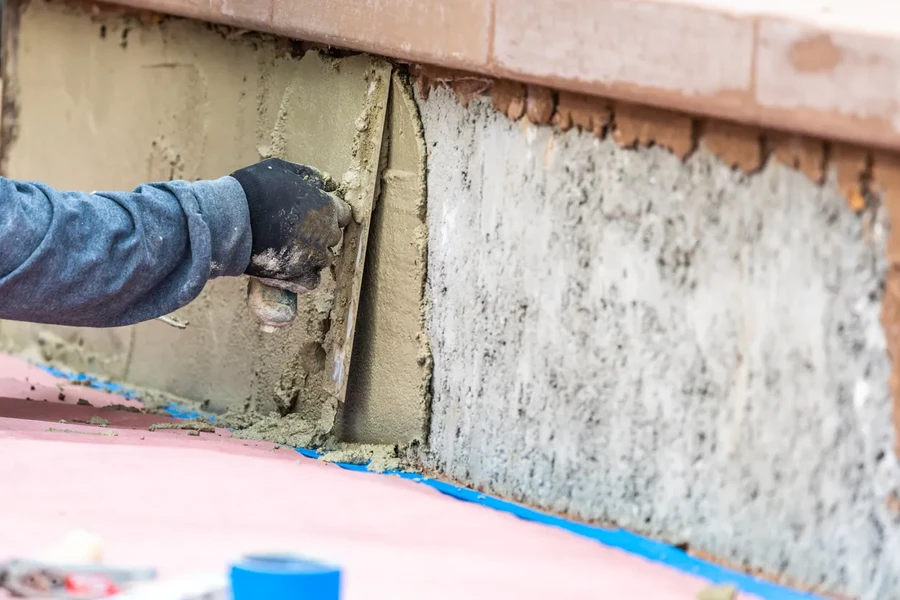
Identifying problems early can save time and money during construction projects. Soil testing can reveal issues like poor compaction, high clay content, or moisture imbalances. These problems can lead to water pooling, erosion, or uneven settlement. Addressing such concerns before breaking ground can prevent future complications and costly repairs.
Steps Involved in Conducting a Soil Test
To perform a thorough soil test, follow these key steps:
- Collect soil samples from various depths across the site.
- Analyze the samples for texture, density, moisture level, and organic content.
- Send samples to a laboratory for detailed chemical analysis.
- Review lab results with an engineer to understand implications for building plans.
- Make informed decisions based on findings to ensure a stable foundation.
Best Practices for Effective Soil Testing
For optimal results in soil testing, adhere to these practices:
- Select qualified professionals who specialize in geotechnical engineering.
- Ensure comprehensive sampling at different locations and depths.
- Combine visual inspections with lab analyses for a complete picture.
- Use findings to guide all stages of the foundation and structural planning process.
Cost Factors Related to Soil Testing
The cost of soil testing varies based on site size and complexity but offers significant long-term savings. Investing in thorough testing upfront can reduce unexpected expenses from structural failures. Assessing potential risks beforehand helps allocate budgets more efficiently and prioritize safety measures appropriately.
Your Next Steps Toward Secure Building Foundations
To ensure your construction project starts on solid ground, consider professional soil testing services. By understanding the site’s subsurface conditions, you can make informed choices about design and materials. Contact Guzman Concrete Solutions LLC at (470) 745-2700 for expert advice tailored to your specific needs. Our team is dedicated to serving clients throughout Luthersville, GA with reliable solutions for their building projects.